
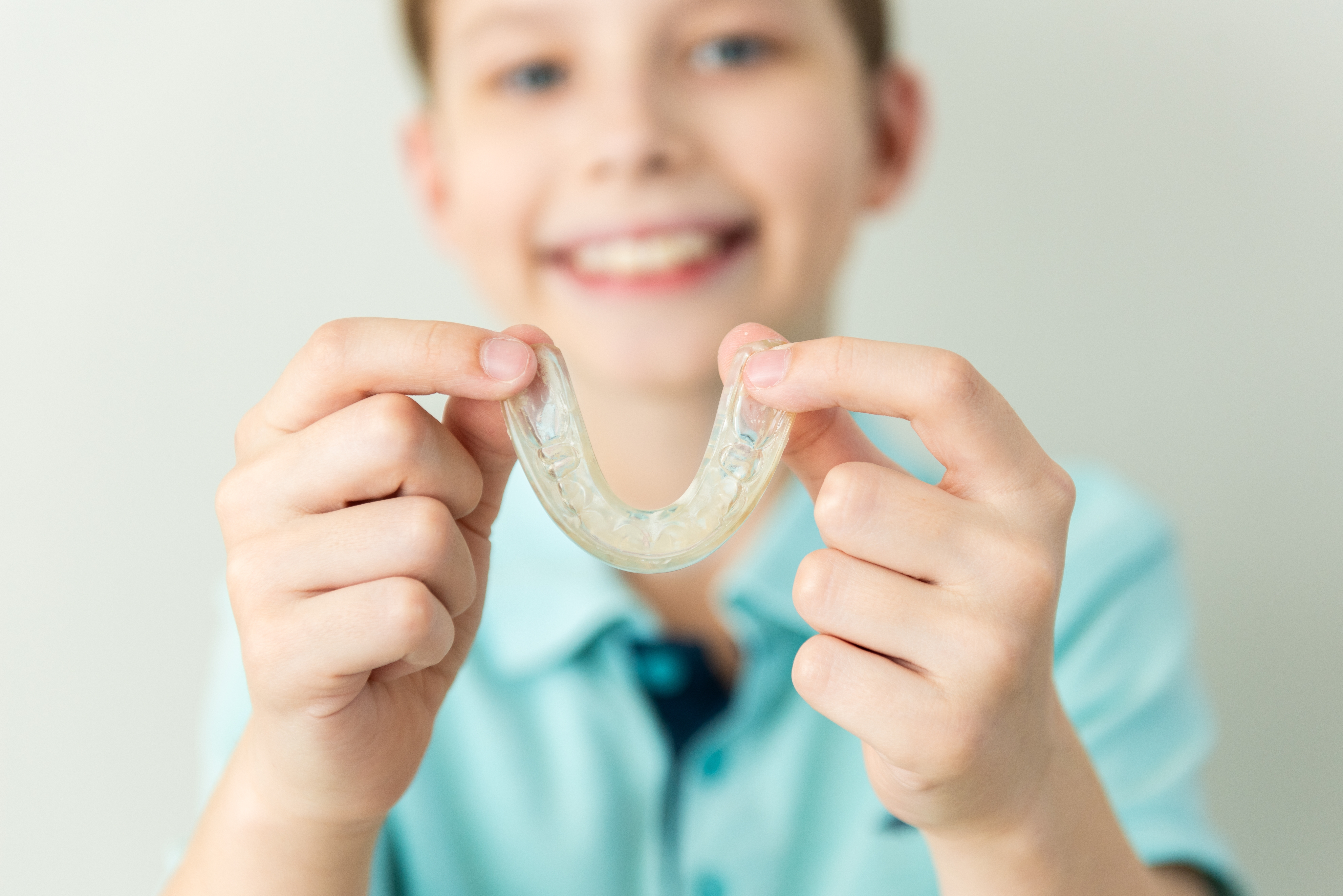
What Is Invisalign and Why Is It Trending?
Invisalign is a clear aligner system that uses custom-made, removable plastic trays to gradually straighten teeth without metal brackets or wires. Each set of aligners is designed from a digital 3D model of your teeth, making the treatment fully customized to your specific orthodontic needs. For patients who want effective results with a low-profile look, Invisalign has become one of the most popular options available.
More and more teens and adults are choosing clear aligners over traditional braces, and the reasons are pretty straightforward. The smooth plastic trays fit snugly over your teeth and are virtually invisible when you smile. There are no metal components to draw attention, which means you can go through treatment without most people even noticing.
The technology behind Invisalign has also advanced significantly in recent years. Orthodontic specialists like Dr. Cody Moore and Dr. Bill Fletcher at Moore Orthodontics in Waxahachie, TX can now treat a wider range of cases than ever before. From mild crowding to moderate bite issues, clear aligners handle much more than they used to. Adults juggling careers, parents managing packed schedules, and teens navigating school life all benefit from a treatment that fits into daily routines without disruption. The appeal comes down to flexibility, comfort, and results you can actually see before treatment even begins, thanks to digital planning tools.
How the Invisalign Treatment Process Works
The Invisalign treatment process typically involves five key steps, from digital scanning to final results. It all begins with a free new patient consultation. During this visit, your orthodontic specialist will examine your teeth, take digital scans using an iTero scanner, and discuss your smile goals. This initial assessment helps determine whether Invisalign is the best option for your specific case.
Here’s what you can expect throughout your treatment:
- Digital scanning and treatment planning. Advanced iTero technology creates a precise 3D model of your teeth. No messy putty impressions needed. This digital impression maps out exactly how your teeth will move from start to finish.
- Custom aligner fabrication. Based on your 3D plan, a series of clear aligners is created just for you. Each set is designed to make small, incremental adjustments to your tooth positions over time.
- Wearing your clear aligners. You’ll wear each set for about 20 to 22 hours per day. The only times you should remove them are when eating, drinking anything other than water, and brushing your teeth.
- Switching to new trays. Every one to two weeks, you’ll move on to the next set in your series. Each new set continues the gradual movement toward your final smile. Most patients get used to this routine quickly.
- Progress check-ins. You’ll visit your orthodontic specialist periodically so they can monitor your progress and make any necessary adjustments. These appointments are typically quick and easy, often shorter and less frequent than with traditional braces.
Because there are no wires to tighten or brackets to adjust, most patients spend less time in the orthodontic chair per visit. That also means fewer scheduling conflicts with work, school, or after-school activities, which is a practical advantage that patients and parents consistently appreciate.
Key Benefits of Choosing Invisalign Clear Aligners
Patients who choose Invisalign often say the same thing: the experience was easier than they expected. Here’s a closer look at what makes clear aligners stand out as a treatment option.
Why Are Clear Aligners More Discreet?
One of the biggest reasons patients choose Invisalign is its discreet design. The aligners are virtually invisible, so you can smile, talk, and go about your day without feeling self-conscious about your orthodontic treatment. This makes Invisalign a great fit for adults and teenagers who want a subtle solution. Most people won’t even notice you’re wearing them.
Beyond aesthetics, the smooth plastic trays don’t have any brackets or wires that can poke or irritate your cheeks and gums. Comfort and confidence go hand in hand here.
How Does Removability Improve Daily Life?
Unlike braces, you can take your aligners out at mealtimes. There’s no list of foods to avoid, so you can still enjoy your favorites without worry.
Brushing and flossing work exactly the same as before treatment. Simply remove your aligners, clean your teeth normally, and pop them back in. No special tools or techniques required.
You’ll also need fewer office visits overall. Because you switch trays at home on a set schedule, you won’t need as many in-person appointments as you would with traditional braces. That’s time back in your week.
What Can Digital Planning Show You Before Treatment Starts?
Digital planning lets you see a simulation of how your teeth will look at the end of treatment before you even begin. It’s a great motivator and helps you feel confident about the process from day one. Seeing your projected results on screen takes a lot of the guesswork out of the decision.
Invisalign vs. Traditional Braces: Which Option Fits Your Lifestyle?
Choosing between Invisalign and traditional braces depends on several factors, including your orthodontic needs, lifestyle preferences, and personal goals. Both options can deliver beautiful results, but they work differently and offer distinct advantages.
| Feature | Invisalign Clear Aligners | Traditional Braces |
|---|---|---|
| Appearance | Nearly invisible clear plastic | Metal or ceramic brackets with wires |
| Comfort | Smooth trays with no sharp edges | May cause some irritation from brackets and wires |
| Removability | Fully removable for eating and cleaning | Fixed in place throughout treatment |
| Food restrictions | None, remove aligners to eat | Avoid hard, sticky, and crunchy foods |
| Oral hygiene | Brush and floss normally | Requires special techniques around brackets |
| Best for | Mild to moderate cases | Mild to complex cases |
| Compliance required | Must wear 20-22 hours daily | Always working since they’re fixed |
Traditional braces remain an excellent choice for complex cases that require significant tooth movement or bite correction. They’re also a solid option for patients who prefer not to worry about removing and replacing aligners throughout the day. No compliance tracking needed.
Invisalign, on the other hand, works well for patients who value flexibility and discretion. If you have a mild to moderate case and can commit to wearing your aligners consistently, this may be the ideal fit for you.
An orthodontic specialist can evaluate your specific situation and help you understand which option will give you the best results. Dr. Moore and Dr. Fletcher, both orthodontic specialists at Moore Orthodontics, take an individualized approach to every recommendation. We don’t believe in cookie-cutter service, so your treatment plan will reflect your unique needs and goals rather than a generic template.
What Factors Affect the Cost of Invisalign?
Invisalign cost depends on case complexity, treatment length, number of aligners needed, and insurance coverage. In many cases, patients pay a similar amount for clear aligners as they would for traditional braces, which surprises a lot of people.
Patients with mild spacing or crowding typically require fewer trays and shorter treatment times, which can lower the overall cost. More complex cases that need significant tooth movement may require additional aligners and longer treatment, which can increase the investment.
The idea that clear aligners are always more expensive than braces isn’t accurate. When you factor in the convenience and comfort benefits, the value often balances out.
If you have dental insurance, your plan may cover a portion of your Invisalign treatment just as it would for braces. Your orthodontic team can help you understand your coverage and maximize your benefits.
Cost shouldn’t stand between you and the smile you deserve. Moore Orthodontics in Waxahachie offers flexible and affordable payment options, including low monthly payments that fit your budget. A payment calculator on the practice website can give you an idea of what your monthly investment might look like.
The best way to get an accurate estimate is to schedule a consultation with an orthodontic specialist. During this visit, you’ll receive a personalized treatment and cost breakdown based on your specific needs.
Are You a Good Candidate for Invisalign?
Good candidates for Invisalign typically have mild to moderate crowding, spacing, or bite issues, along with good oral health and the discipline to wear aligners 20 to 22 hours daily. A consultation with an orthodontic specialist is the best way to confirm candidacy and explore your options.
Clear aligner technology has advanced to address many of the same issues that traditional braces correct, including overbite, underbite, and crossbite. Dr. Moore evaluates each patient individually at Moore Orthodontics in Waxahachie to determine the right approach.
You may be a good candidate for Invisalign if you have:
- Mild to moderate crowding or gaps between teeth
- An overbite, underbite, or crossbite that doesn’t require surgical correction
- The self-discipline to keep your aligners in for 20 to 22 hours each day
- Healthy gums and no untreated cavities, since active oral health issues should be resolved first
- Availability for regular check-in appointments to track your progress
Invisalign Teen is specifically designed for adolescent patients. It includes compliance indicators that show whether aligners are being worn enough, which gives parents and orthodontic specialists a helpful way to monitor wear time. Many teens prefer this option because it’s less noticeable than braces and doesn’t interfere with sports, band instruments, or social activities.
That said, Invisalign isn’t the right solution for everyone. Patients with severe skeletal issues, significant bite problems, or highly complex cases may achieve better results with traditional braces or a combination of treatments. Some younger children may need two-phase treatment that starts with other appliances before moving to braces or clear aligners.
The only way to know for certain whether you’re a candidate is to have a thorough evaluation with an orthodontic specialist. Your teeth, bite, and jaw alignment all factor into the recommendation.
Frequently Asked Questions About Invisalign
How long does Invisalign treatment take?
Treatment length varies based on your individual case, but most patients complete their Invisalign treatment in 6 to 18 months. Mild cases with minor crowding or spacing may finish on the shorter end, while more involved cases take longer. During your consultation, your orthodontic specialist will give you a realistic timeline based on your specific needs and goals.
Does Invisalign hurt?
Most patients experience mild pressure or tightness when they switch to a new set of aligners. This sensation is normal and actually means the trays are working to move your teeth. The discomfort typically fades within a day or two. Unlike braces, there are no brackets or wires to cause irritation to your cheeks or gums.
Can teens use Invisalign?
Yes! Invisalign Teen is designed specifically for adolescent patients. The aligners include compliance indicators that fade with wear, helping parents and orthodontic specialists confirm that the trays are being worn enough each day. Many teens prefer Invisalign because it’s less noticeable than braces and doesn’t interfere with sports, band instruments, or social activities.
Do I need retainers after Invisalign?
Yes, retainers are an essential part of maintaining your new smile after Invisalign treatment. Once your teeth have moved into their ideal positions, retainers help keep them there. Without consistent retainer wear, teeth can gradually shift back toward their original positions, so wear your retainers as directed and your results will last.
How do I get started with Invisalign?
Getting started is easy. Simply schedule a free new patient consultation with an orthodontic specialist. During this visit, the team will take digital scans of your teeth, evaluate your bite, and discuss your goals. If Invisalign is right for you, you’ll receive a personalized treatment plan along with a clear breakdown of the process, timeline, and cost. A consultation is the first step toward determining if clear aligners are the right fit for your smile.