If you’ve ever looked in the mirror and wished your teeth were a little straighter, you’re not alone. Crooked teeth and spacing concerns are among the most common reasons people visit an orthodontic specialist. The good news? These concerns are highly treatable, and understanding your options is the first step toward getting a healthier, more confident smile. At Moore Orthodontics, we see patients with these concerns every single day, and we’re here to walk you through what to expect.
What Are Crooked Teeth and Spacing Issues?
Crooked teeth and spacing issues are forms of malocclusion, a condition where teeth don’t align properly. This includes crowding (overlapping or twisted teeth), diastema (gaps between teeth), and bite concerns like overbite, underbite, and crossbite. Most people have some degree of malocclusion, making it one of the most common dental conditions worldwide.
You’ve probably heard terms like overbite, underbite, and crossbite before. An overbite means your upper front teeth extend too far over your lower teeth. An underbite is the opposite: your lower teeth sit in front of your upper teeth when you close your mouth. A crossbite occurs when some upper teeth sit inside your lower teeth rather than outside.
Here’s something that might surprise you: according to the American Association of Orthodontists (AAO), perfect natural alignment is actually pretty rare. The AAO also notes that roughly 50% of children develop orthodontic conditions significant enough to benefit from treatment.
Some spacing and alignment concerns are purely cosmetic. Maybe you don’t love how a gap looks when you smile. But other conditions go deeper, affecting how you chew, speak, and care for your teeth. Crowded teeth create tight spaces where plaque hides and cavities form. Bite misalignments can lead to uneven wear on your enamel or jaw discomfort over time.
Teeth naturally shift throughout life, too. That’s why some adults notice changes even if they had straight teeth as teenagers.
What Causes Crooked Teeth and How Does Orthodontic Correction Work?
Common Causes
Several factors contribute to crooked teeth and spacing concerns:
- Genetics play a major role. If your parents had crowding or gaps, you’re more likely to develop similar conditions.
- Childhood habits like thumb sucking or prolonged pacifier use can push teeth out of alignment.
- Early tooth loss from decay or injury allows remaining teeth to drift into empty spaces.
- Jaw size mismatches occur when your jaw is too small for all your teeth, or when upper and lower jaws grow at different rates.
- Mouth breathing during development can affect jaw growth and tooth positioning.
Genetics account for most cases, but habits and environmental factors play a real part too.
How Orthodontic Treatment Works
Orthodontic correction comes down to controlled, gentle pressure applied over time.
Traditional braces use metal or ceramic brackets bonded to each tooth, connected by a wire. Your orthodontic specialist adjusts this wire periodically, gradually guiding teeth into their correct positions.
Clear aligners like Invisalign work differently. You wear a series of custom-made plastic trays, switching to a new set every one to two weeks. Each tray applies targeted pressure to shift specific teeth. The clear aligners are nearly invisible and removable, which many patients find appealing.
Here’s what the treatment process typically looks like:
- Free new patient consultation. A board-certified orthodontic specialist examines your teeth, takes X-rays, and discusses your goals with you.
- Digital imaging and impressions. Using technology like iTero digital scanners, your specialist creates a detailed 3D map of your mouth.
- Fully customized treatment design. Based on your unique needs, your orthodontic specialist builds a personalized treatment approach just for you.
- You then move into the active treatment phase, wearing your braces or clear aligners and attending regular check-ups for adjustments.
- Retention phase. After active treatment wraps up, you wear a retainer to keep teeth in their new positions.
Treatment timelines vary widely. Minor spacing concerns might resolve in six months. More complex cases involving significant crowding or bite correction can take 18 to 24 months or longer.
Benefits of Correcting Crooked Teeth and Spacing Problems
Straightening your teeth goes well beyond appearance, though looking great is certainly a welcome benefit. Orthodontic treatment makes a real difference in your oral health and daily comfort.
How Does Straightening Teeth Improve Oral Health?
Straight teeth are simpler to brush and floss thoroughly. No more struggling to reach tight spots where food particles hide. When teeth are properly aligned, you’re less likely to develop cavities, gum disease, or uneven enamel wear from teeth grinding against each other incorrectly.
Chewing also becomes more efficient and comfortable. If you’ve experienced jaw clicking or TMJ discomfort, correcting your bite can provide meaningful relief. Your teeth are designed to work together. Proper alignment lets them do exactly that.
Can Orthodontic Treatment Save Money Long-Term?
Preventing decay, gum disease, and excessive wear means fewer fillings, crowns, and other restorative treatments down the road. Fewer of those treatments over the years can add up to real savings. Investing in orthodontic treatment now often reduces what you’d spend on dental care later.
What About Confidence and Quality of Life?
There’s something powerful about smiling without hesitation. Many patients tell us their improved smile changes how they interact with others, whether at work, in social settings, or just going about their day. That kind of confidence is hard to put a price on.
Braces vs. Invisalign for Crooked Teeth and Spacing Issues
Choosing between braces and clear aligners depends on your specific needs, lifestyle, and preferences. Here’s how the main options compare:
| Feature | Metal Braces | Ceramic Braces | Invisalign |
|---|---|---|---|
| Visibility | Most noticeable | Less visible (tooth-colored) | Nearly invisible |
| Effectiveness | Handles all complexity levels | Handles most cases | Best for mild to moderate cases |
| Removability | Stays in place | Stays in place | Removable for eating and cleaning |
| Comfort | Adjustment period needed | Similar to metal | Generally more comfortable |
| Maintenance | Requires careful brushing around brackets | Same as metal | Remove to brush normally |
Metal braces remain the most versatile option. They can correct severe crowding, significant bite conditions, and complex tooth movements that other methods can’t match.
Ceramic braces use the same mechanics but with tooth-colored or clear brackets. Less noticeable, and still effective for moderately complex cases.
Invisalign clear aligners offer discretion and convenience. Because the clear aligners are removable, you can eat, drink, and brush your teeth without adjusting your routine.
For younger patients whose jaws are still developing, two-phase treatment may be recommended. Phase one addresses jaw growth and creates space for permanent teeth. Phase two, usually during the teen years, fine-tunes alignment with braces or clear aligners.
What Factors Affect the Cost of Treating Crooked Teeth?
The cost of fixing crooked teeth and spacing issues varies from person to person. Several factors determine your total investment, including how complex your case is, what type of treatment you choose, and how long you’ll need to wear braces or clear aligners.
Here’s a closer look at each variable:
- How complex is your case? Minor spacing concerns require less time and fewer appointments than significant bite corrections. Straightforward cases generally cost less.
- Metal braces, ceramic braces, and Invisalign each come at different price points. Metal braces typically cost less than ceramic braces or Invisalign, though this varies by practice and region.
- Longer treatment means more visits and adjustments, which affects the total cost.
- Some patients need tooth extractions, palatal expanders, or other appliances before or during treatment. These additional needs add to the overall investment.
- Retainers and follow-up care are essential for maintaining your results and are usually included in your treatment fee.
Orthodontic treatment is more accessible than ever. Many dental insurance plans cover a portion of orthodontic care. Most practices also offer flexible & affordable payment options, including low monthly payments that fit a range of budgets. Many orthodontic practices provide payment calculators on their websites so you can estimate costs before your visit.
The best way to understand what treatment will cost for your specific situation is to schedule a free new patient consultation at Moore Orthodontics. You’ll get a full evaluation and a clear picture of your options and costs.
Who Is a Candidate for Orthodontic Treatment?
Children as young as 7, teenagers, and adults with healthy teeth and gums are all candidates for orthodontic treatment to correct crooked teeth and spacing issues. There’s no single “right” age to start.
For children: The AAO recommends an orthodontic evaluation by age 7. At this age, a board-certified orthodontic specialist can spot developing conditions and determine if early intervention would help. According to the AAO, early evaluation doesn’t always mean early treatment, but it gives your specialist a chance to monitor growth and plan ahead.
For teenagers: The teen years remain the most common time for braces or Invisalign. Most permanent teeth have erupted, but the jaw is still growing, making it an ideal window for alignment correction.
For adults: If you have healthy teeth and gums, you’re an excellent candidate at any age. More adults than ever are choosing to straighten their teeth, and modern options like Invisalign make treatment more discreet than it was a generation ago. It’s never too late.
Signs you might benefit from an orthodontic evaluation include crowded or overlapping teeth, gaps that bother you, difficulty chewing, jaw clicking or discomfort, and teeth that don’t meet properly when you close your mouth.
Frequently Asked Questions About Crooked Teeth and Spacing Issues
Can crooked teeth get worse over time if left untreated?
They can, and they often do. Teeth naturally shift throughout your life. Without treatment, crowding can worsen as teeth continue pushing against each other. Gaps may widen or close unpredictably. Bite conditions can also lead to uneven wear on your enamel, making existing concerns more pronounced over time.
How long does it take to straighten crooked teeth with braces or Invisalign?
That depends on the complexity of your case. Minor spacing concerns might be corrected in as few as six months. Moderate crowding or bite conditions typically take 12 to 18 months. More involved cases can require 24 months or longer. Your orthodontic specialist will provide a personalized timeline during your free new patient consultation.
Do I need a retainer after orthodontic treatment?
Absolutely. Retainers are essential for maintaining your results. After active treatment ends, your teeth have a natural tendency to drift back toward their original positions. Wearing your retainer as directed helps your teeth stay put long after treatment ends.
Are spacing concerns only cosmetic, or do they affect health?
While gaps between teeth are often a cosmetic concern, they can also impact oral health. Food can get trapped in larger spaces, increasing the risk of decay and gum irritation. Spacing can also affect how your bite functions, potentially leading to uneven wear or jaw discomfort.
What happens during an orthodontic free consult?
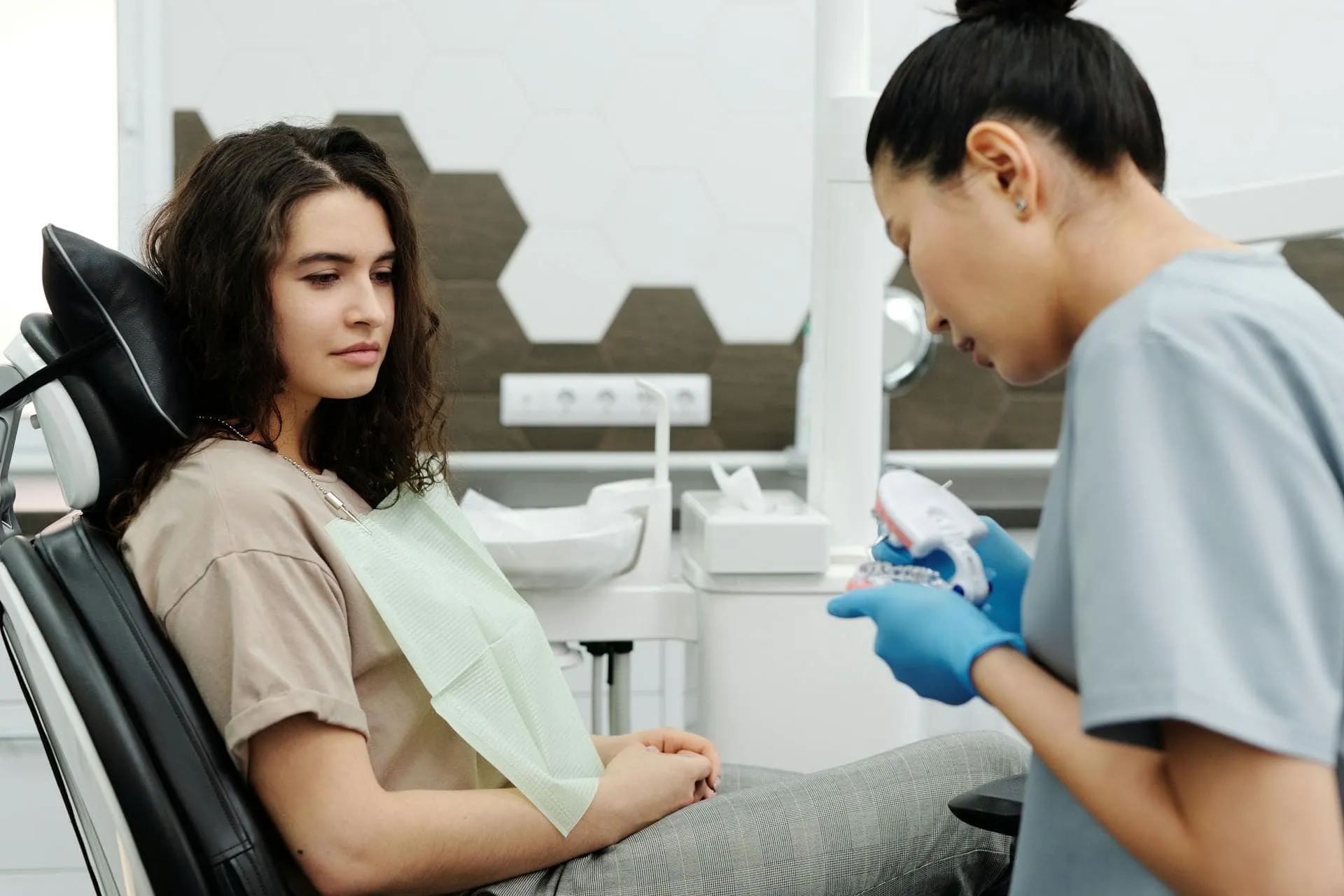
During a typical free new patient consultation at Moore Orthodontics, a specialist examines your teeth, takes digital images or X-rays, and discusses your concerns and goals. You’ll learn about your treatment options, get a realistic timeline, and receive a clear cost breakdown. It’s a low-pressure opportunity to get answers and explore what’s right for you.