
Retainers and Post-Treatment Care: Everything You Need to Know
After months or even years in braces or clear aligners, the last thing you want is for your teeth to shift back. That’s exactly what can happen without a retainer. A retainer isn’t an afterthought or an optional add-on. It’s the device that keeps your beautiful new smile exactly where it belongs, and wearing it consistently is just as important as the active treatment that got you there.
Let’s walk through everything you need to know about retainers and post-treatment care so you can protect the results you worked hard to achieve.
What Are Retainers and Why Are They Essential After Orthodontic Treatment?
A retainer is a custom-made dental device designed to hold teeth in their corrected positions after braces or Invisalign treatment ends. It prevents relapse by supporting bone and tissue stabilization during the critical post-treatment period, and it’s the final step in your fully customized treatment plan.
Most patients don’t realize that teeth have memory. They naturally want to drift back toward their original positions, especially during the first year after treatment. The bone and soft tissue surrounding your teeth need time to stabilize and adapt to the new alignment. Without a retainer, this shifting can undo months or even years of progress.
The American Association of Orthodontists recommends that all orthodontic patients wear retainers to maintain their results. Orthodontic specialists emphasize this with every patient because they’ve seen firsthand what happens when retainer wear gets skipped. Teeth can start moving within just a few weeks of going without one.
Retainers protect your investment. They make sure the smile you worked so hard to achieve stays with you for years to come.
How Retainers Work: The Post-Treatment Care Process
The retention phase begins the same day braces come off or you finish your final clear aligners tray. Your orthodontic specialist will fit you with a retainer right away so teeth don’t have a chance to shift.
The typical retention timeline looks like this:
During the first three to six months, most patients wear their retainer full-time, removing it only for eating and brushing. This gives bone and gum tissue the support they need during the most critical stabilization period.
After that initial phase, you’ll typically transition to nighttime-only wear. Your orthodontic specialist will let you know when you’re ready for this step based on how your teeth are responding.
What many people don’t expect is that the bone around teeth takes at least 12 months to fully reorganize and solidify around the new positions. Some orthodontic research suggests this remodeling process can continue for several years.
That’s why many orthodontic specialists recommend wearing a retainer at night indefinitely. Your orthodontic team will schedule regular check-ups to make sure the retainer still fits properly and teeth are staying put. These follow-up visits also give your provider a chance to catch any minor shifting early, before it becomes a bigger issue.
Key Benefits of Wearing Your Retainer Consistently
Why Does Consistent Retainer Wear Matter?
Skipping retainer wear might seem harmless in the moment, but the consequences add up fast. Teeth that spent months or years being moved into alignment can start drifting back within weeks.
- All the time you spent in braces or clear aligners pays off when you maintain those results with consistent retainer wear
- Teeth won’t drift back toward crowding, gaps, or misalignment
- Your bite stays aligned so upper and lower teeth continue working together correctly
- Avoiding retreatment means you won’t face additional orthodontic treatment costs down the road
- Properly aligned teeth are easier to brush and floss, which reduces your risk of cavities and gum disease
- You can keep smiling with confidence, knowing your results are protected
How Does Retainer Wear Support Long-Term Oral Health?
Straight teeth aren’t just about appearance. When teeth stay properly aligned, they’re much easier to keep clean. Crowded or overlapping teeth create tight spaces where plaque builds up and flossing becomes difficult. By wearing a retainer consistently, you’re also supporting healthier gums and reducing the chance of decay in hard-to-reach areas.
Types of Retainers Compared: Clear, Hawley, and Fixed
The three main types of retainers are clear (Essix), Hawley, and fixed/bonded. Each type has its own advantages, and your orthodontic specialist will recommend the best option based on your specific needs.
| Feature | Clear (Essix) | Hawley | Fixed/Bonded |
|---|---|---|---|
| Appearance | Nearly invisible | Visible wire across front teeth | Hidden behind teeth |
| Durability | Moderate (may need replacement every 1-2 years) | High (can last many years with care) | Very high (lasts years if maintained) |
| Maintenance | Easy to clean | Easy to clean | Requires careful flossing |
| Comfort | Very comfortable, thin plastic | Comfortable once adjusted | No daily insertion needed |
| Compliance Required | Yes, must remember to wear | Yes, must remember to wear | None, always in place |
| Adjustability | Cannot be adjusted | Can be adjusted by orthodontic specialist | Fixed in place |
What Is a Clear Retainer?
Clear retainers are made from thin, transparent plastic that fits snugly over teeth. Most patients love how discreet they are. The tradeoff is that they can wear out faster than other types and may need to be replaced more frequently.
What Makes a Hawley Retainer Different?
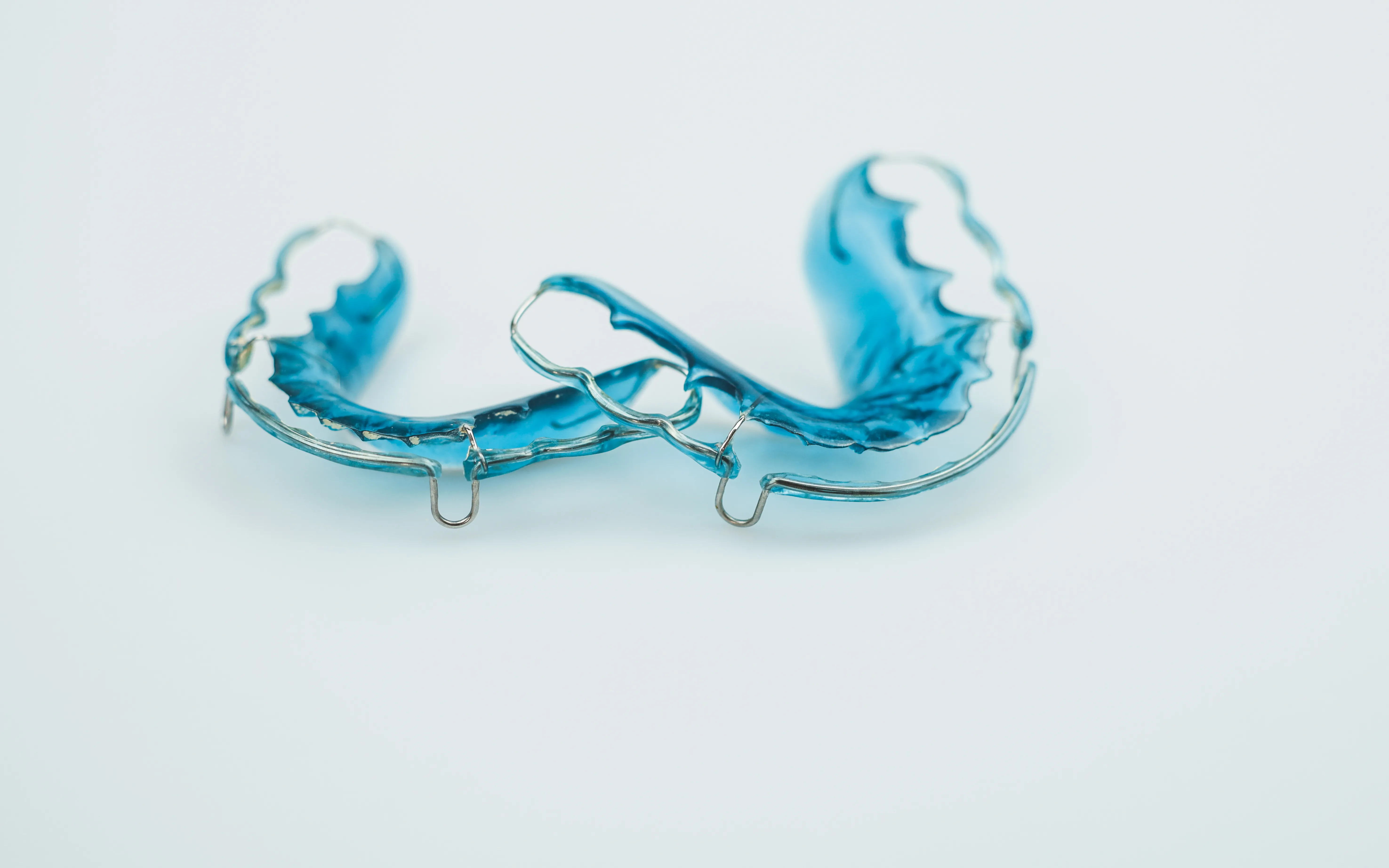
Hawley retainers feature a wire that wraps around the front of teeth, attached to an acrylic piece that sits against the roof of your mouth or behind your lower teeth. They’re incredibly durable and can be adjusted if needed. The wire is visible when you smile, which bothers some patients more than others.
How Does a Fixed Retainer Work?
Fixed or bonded retainers are thin wires permanently attached to the back of front teeth. You never have to remember to put them in, which eliminates compliance issues entirely. They do require extra attention when brushing and flossing to keep the area clean.
Many patients end up with a combination, like a fixed retainer on the bottom teeth and a removable retainer on top. Your orthodontic specialist will discuss your options during your free new patient consultation and help you choose what works best for your lifestyle.
Retainer Cost: What to Expect and What Affects Pricing
Retainer replacement costs typically range from around $100 to $500 per set depending on the type. Costs vary by practice and region. Initial retainers are usually included in your overall orthodontic treatment fee.
Most orthodontic practices include your first retainer set in your treatment fee because retention is considered part of the treatment itself, not an extra charge tacked on at the end.
If you need replacement retainers later due to loss, damage, or normal wear, that’s when additional costs come into play. Clear retainers tend to fall on the lower end of that range, while custom Hawley retainers may cost more. Some dental insurance plans cover retainers as part of orthodontic benefits. Checking with your provider to understand your coverage is always a good idea.
During a free new patient consultation, your orthodontic specialist should walk through all costs upfront so there are no surprises. Many practices also offer flexible and affordable payment options to make orthodontic care accessible for families.
Who Needs a Retainer? Candidacy and Wear Guidelines
Every patient who completes orthodontic treatment needs a retainer, regardless of age, case complexity, or treatment type. No exceptions.
Retainers are essential for:
- Children and teens finishing Phase 1 or full treatment
- Adults completing braces or Invisalign at any age
- Patients who had minor corrections as well as those with complex cases
- Anyone who previously experienced relapse and underwent retreatment
If you had significant crowding, large gaps, or rotated teeth, your teeth may have a stronger tendency to shift back. Patients who have already experienced relapse once should be particularly committed to wearing their retainer as prescribed. Your specific history plays a big role in how aggressively your teeth may try to move, so open communication with your orthodontic specialist is important.
Your orthodontic specialist will create a retention schedule built around your specific case. Following the schedule you’re given matters more than most patients realize. Skipping nights here and there might not feel like a big deal, but it can add up to noticeable shifting over time. If your retainer ever starts feeling tight when you put it in, that’s a sign your teeth have been moving and you need to wear it more consistently.
Frequently Asked Questions About Retainers and Post-Treatment Care
How long do I need to wear my retainer?
Plan to wear your retainer at night for life. After an initial full-time phase of three to six months, you’ll transition to nighttime-only wear. Teeth can shift at any age, so ongoing retention is the best way to protect your results long-term.
How do I clean my retainer properly?
Clean your retainer daily with lukewarm water and a soft toothbrush. Mild dish soap or a retainer cleaning solution both work well. Never use hot water, as it can warp the plastic and ruin the fit. For fixed retainers, use floss threaders or a water flosser to clean around the wire.
What happens if I stop wearing my retainer?
Teeth can begin shifting within just a few weeks of stopping retainer wear. The longer you go without it, the more movement can occur. If your retainer no longer fits after a break, contact your orthodontic specialist. You may need a new retainer or, in some cases, additional treatment to correct the relapse.
Can I eat with my retainer in?
Not with a removable type. Remove it before eating. Food can damage the retainer and trap bacteria against teeth. Fixed retainers stay in place during meals, but you’ll want to avoid very hard or sticky foods that could damage the wire.
How often should I replace my retainer?
Clear retainers typically last one to three years with proper care. Hawley retainers can last much longer, sometimes five years or more. Fixed retainers may last indefinitely but occasionally need repair if the wire loosens. Bring your retainer to check-ups so your orthodontic specialist can assess its condition.
What should I do if my retainer breaks or gets lost?
Contact your orthodontic specialist right away. The sooner you get a replacement, the less chance teeth have to shift. If you have an old retainer that still fits reasonably well, wearing it can help minimize movement until your new one is ready. Even a few days without a retainer can make a difference, so don’t wait to reach out.